Equinus (Tightness in Heel Cord) Treatment Process
TREATMENT PROCESS
This is my current treatment process for patients with Equinus or tightness in the heel cord. Please watch the video for full details.
- 1st Visit - Evaluate your condition, review x-rays, and perform a walking evaluation to determine the cause of your condition. Many patients with a tight heel cord (equinus) will have an early heel lift when walking and will have difficulty doing a full squat. Many will also develop other types of foot pain, including plantar fasciitis and Achilles tendonitis. We will start working to reduce inflammation, tightness, and stress through your calf region.
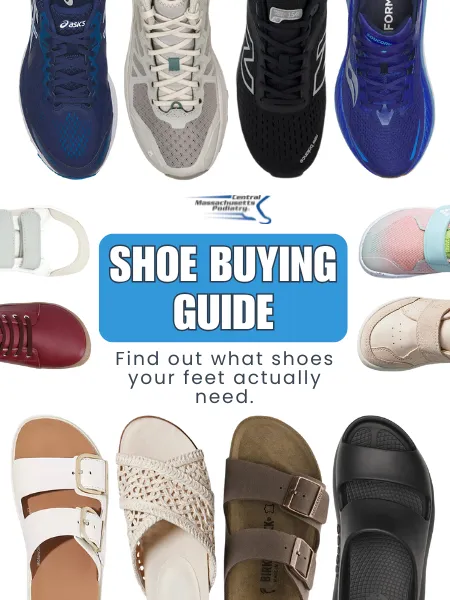
- Be sure to avoid flat or "zero drop" shoes if you have tightness, as this can worsen tightness. You will do better with a shoe with a heel initially until you can loosen up the tight calf.
- 2nd Visit - Will evaluate the initial treatments and, if indicated, perform an ultrasound examination to assess the thickness of the Achilles tendon to help guide further treatments.
- Shockwave and Amnio Injection - Many of my patients benefit from a series of 3-6 sessions of shockwave therapy to improve blood flow and recovery of the Achilles tendon if there is pain. After these sessions, patients go through a course of 6 weeks of physical therapy.
- Orthotics - Orthotics help stabilize the heel position, help with posture, and reduce excess foot movement, which can increase stress in the Achilles tendon.
- Physical Therapy - After these sessions of shockwave then, patients go through a course of 6 weeks of physical therapy.
-
Daily Rituals: These daily rituals can be used with other office-based treatments. Towel stretch before getting out of bed (30-second stretch 3 times), foam rolling (5 minutes 2x a day), icing or contrast baths (10 minutes 2x a day), anti-inflammatory for 2 weeks at a therapeutic dose (if not doing shockwave), stable shoes and orthotics, Oofos sandals in the house, and avoid going barefoot. Wear shoes that have a slight heel and avoid walking on inclined surfaces and activities that aggravate your Achilles tendon.
- Brace - I sometimes recommend an off-loading brace to reduce pressure on the plantar fascia and move the pressure to the lower leg region.
COMMON QUESTIONS
- What if my night splint is painful or causes numbness? Start by taking out a wedge in the device or reducing its tension. If it is not improving, please call or message me so I can help.
RESOURCES
-
Shockwave (EPAT) - Information about shockwave therapy.
-
Orthotics - Explanation of how and why orthotics help foot pain.
-
Icing and Contrast Bath Instructions - Here is information on how to ice your foot.
-
Oofos - Recovery sandals to wear at home for more support.
-
Shoe Recommendations - Here is my shoe recommendation.
- Foam Rolling Exercises - Instructional video for foam rolling.
-
Eccentric Exercises - Exercises to help strengthen your foot.
- Aerospring Brace - This carbon fiber brace can offload the Achilles tendon if it is painful.
PRODUCTS
Here are some of the best recommendations I have found on Amazon for starting treatment before you come into the office.
Related Blogs

Plantar Fasciitis Treatment Proces
This is my current treatment process for patients with…

Shockwave Therapy & Amnio Injection for Heel Pain Relief
When the pain hits, it can feel like the world is coming down on our…
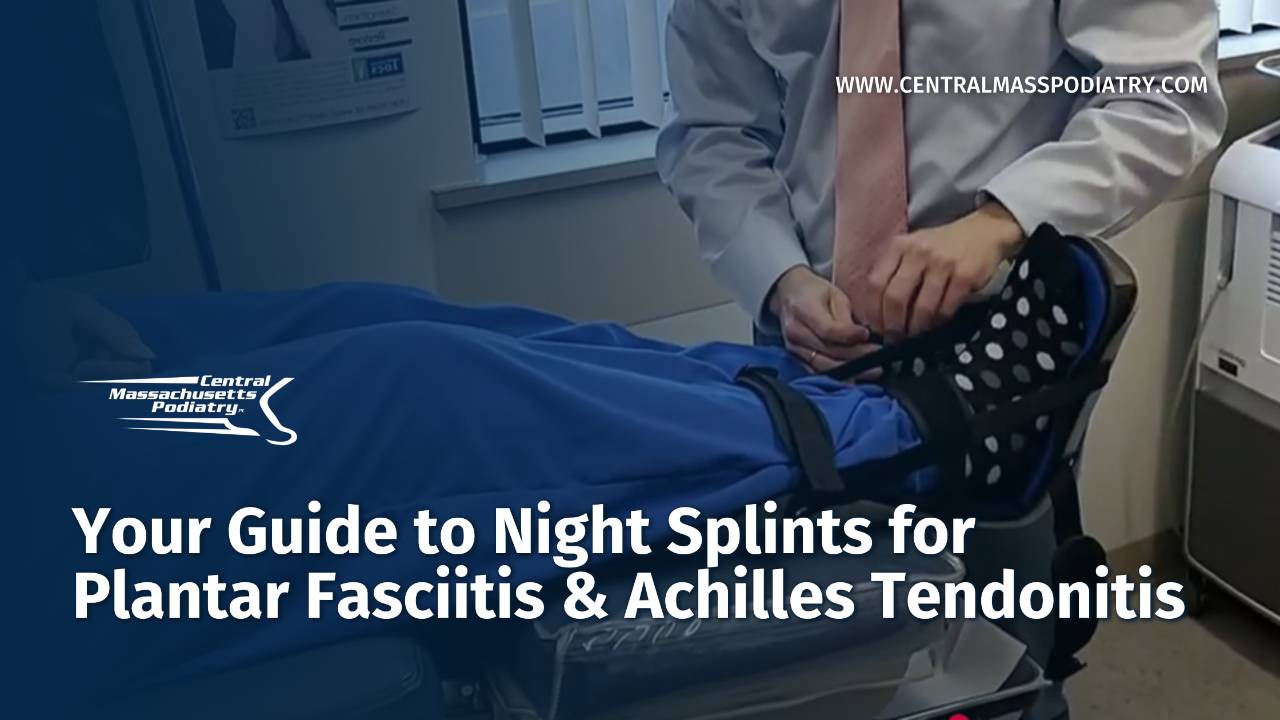
Your Guide to Night Splints for Plantar Fasciitis & Achilles Tendonitis
Heel pain or ankle stiffness can be frustrating, especially when…